LOOKING INTO TIMOR LESTE’S ECONOMIC FUTURE
When Indian students consider whether to study MBBS in Timor Leste, one practical question comes up: is this country's economy stable enough for a 4.5-year stay? This article looks at Timor Leste's economic direction — what it means for infrastructure, cost of living, and the long-term viability of studying medicine here.
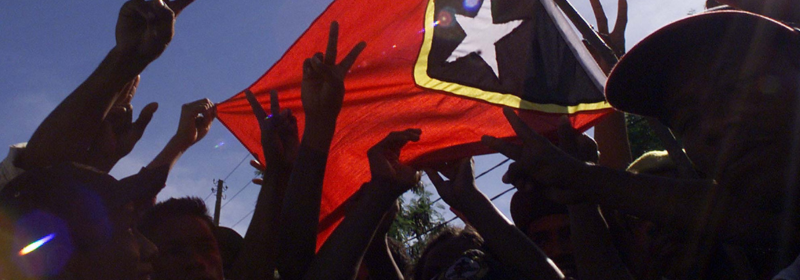
“Steps? What steps, Ben? All I see is a stagnant economy with little progress I get where you're coming from, Elijah. Isn't that a bit optimistic, Ben. “ Elijah: Ben, I've been hearing a lot about the economic struggles here in Timor-Leste. It's been three years since you've been here. Do you think things are really going to improve? Ben: Elijah, I understand your concerns. It's true that Timor-Leste has faced its fair share of economic challenges. But let's not overlook the steps being taken towards development. Elijah: Steps? What steps, Ben? All I see is a stagnant economy with little progress. Ben: I get where you're coming from, Elijah. But consider this: the government has been focusing on diversifying our economy beyond oil. They're investing in sectors like agriculture and tourism, aiming to create new opportunities for growth. Elijah: Agriculture and tourism? In a country known for its oil riches? Isn't that a bit optimistic, Ben? Ben: It may seem ambitious, Elijah, but it's a strategic move. By investing in agriculture, for instance, we're tapping into our natural resources and reducing dependency on oil revenue. Elijah: Foreign investment sounds good, but won't that just lead to more dependency on external factors? Ben: That's a valid concern, Elijah. But the goal isn't just to rely on foreign investment alone. The government is also focused on developing domestic industries, particularly agriculture and fisheries, to reduce our reliance on imports and foster self-sufficiency. Elijah: I see your point, Ben. But what about the issue of unemployment, especially among the youth? It seems like there aren't enough job opportunities to go around. Ben: Indeed, Elijah, youth unemployment is a big issue. That's why we're pushing for programs to support small businesses. Microfinance and business incubators are helping people start their own businesses and improve the economy. Elijah: It sounds like there's a lot of work being done, Ben. But do you think it's enough to overcome the deep-rooted challenges we face? Ben: It won't be easy, Elijah. But with strategic planning, investment, and strong leadership, I believe we can overcome these challenges and build a more resilient and prosperous economy for the future. Elijah: Well, I certainly hope you're right, Ben. It's going to take a collective effort from all sectors of society to make it happen. Ben: I really hope you're correct, Elijah. It's going to need everyone from all parts of society working together to make it a reality.
What Timor Leste's Economy Means for MBBS Students
For students choosing to study MBBS abroad in Timor Leste, the economic picture translates directly to three practical realities:
- Cost stability: Timor Leste uses the US Dollar as its official currency — eliminating exchange rate risk for families paying in INR. Fees at UCT are fixed in USD and do not fluctuate with local political changes.
- Living costs: Dili's cost of living is low — monthly expenses including hostel, food, and transport average ₹21,500–31,500 for an Indian student on campus.
- Infrastructure investment: Government-backed infrastructure development means improving roads, internet, and medical facilities — directly benefiting MBBS students doing clinical rotations in Dili hospitals.
For a complete breakdown of MBBS in Timor Leste fees and cost of living, see our 2026 complete guide.